Introduction
When it comes to home maintenance, the chimney is often an unsung hero. For those of us who depend on our masonry chimneys for warmth and ambiance during colder months, understanding how climate affects chimney care is crucial. Many homeowners overlook this aspect until issues arise, leading to costly repairs or even dangerous situations. This article delves into Best Practices for Masonry Chimney Care in Different Climates to ensure your chimney remains safe and functional all year round.
Why Is Chimney Care Important?
Taking care of your masonry chimney is not just about aesthetics; it’s about safety. A well-maintained chimney prevents carbon monoxide buildup, facilitates proper ventilation, and extends the lifespan of your heating system. In different climates, specific practices become essential. Let’s explore what those practices are!
Understanding Masonry Chimneys
What Are Masonry Chimneys?
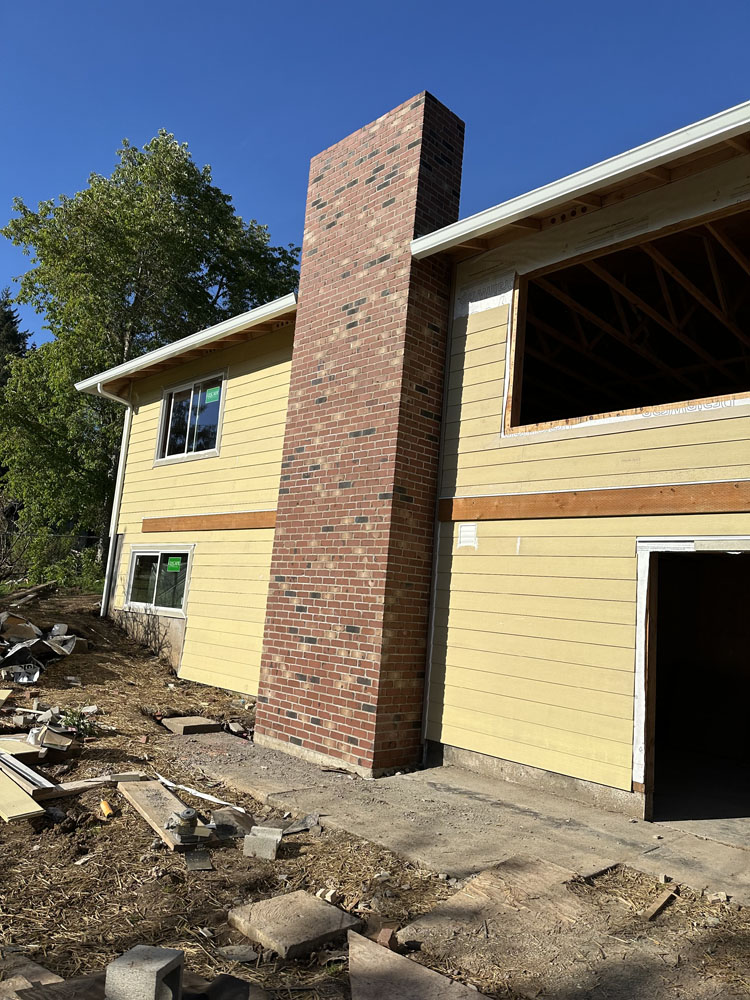
Masonry chimneys are typically constructed from brick, stone, or concrete block. They provide excellent durability and can withstand high temperatures when properly maintained. However, they also require specific care depending on environmental factors.
Key Components of a Masonry Chimney
- Chimney Flue: The inner structure that allows smoke and gases to escape. Crown: The top cover that protects against weather damage. Flashings: Sealants that prevent water leakage at roof connections.
Understanding these components helps homeowners recognize what needs regular inspection and maintenance.
Best Practices for Masonry Chimney Care in Different Climates
Caring for Your Chimney in Cold Climates
1. Regular Inspections
In colder regions where snow and ice are common, regular inspections are vital for preventing moisture-related issues. The freeze-thaw cycle can cause significant damage if water seeps into cracks.
2. Water Repellents
Applying water repellent coatings can protect your masonry from moisture absorption. This is particularly important in areas prone to wet winters.
3. Snow and Ice Removal
Always clear snow and ice from the top of your chimney if possible. This reduces the risk of ice dams forming that can lead to leaks.
Caring for Your Chimney in Hot Climates
1. Ventilation Check
In hotter climates, ensuring proper ventilation is key as heat can degrade the materials over time. Make sure your chimney has adequate airflow to prevent overheating.
2. Pest Control Measures
Hot climates can attract pests like birds and rodents looking for shelter in your chimney. Use caps or screens to keep them out.
3. Regular Cleaning
Dust and debris accumulation can be problematic in hot weather; therefore, regular cleaning helps maintain functionality.
Caring for Your Chimney in Humid Climates
1. Monitoring Moisture Levels
Humidity can wreak havoc on masonry structures by encouraging mold growth or causing spalling (flaking). Keep an eye on moisture levels with a hygrometer.
2. Proper Drainage Solutions
Ensure that rainwater drains away from your chimney base effectively to avoid foundational issues caused by standing water.
3. Frequent Maintenance Checks
Due to constant exposure to moisture, more frequent maintenance checks may be necessary in humid areas to catch potential problems early.
Signs You Need Masonry Chimney Repair
How Can I Tell If My Chimney Needs Repairs?
Keep an eye out for these signs:
- Cracks or Gaps: Any visible damage indicates that repair is needed. Leaking Water: If you notice water stains around your fireplace or walls. Spalling Bricks: Flaking bricks indicate that water has penetrated the masonry.
Addressing these issues promptly can save money down the line!
Common Misconceptions About Masonry Chimneys
“Masonry Is Indestructible”
While masonry is durable, it isn’t invincible! Weather conditions can wear down even the toughest materials over time.
“I Don’t Need Annual Inspections”
Many people believe they can skip inspections if there aren’t visible problems; however, preventative measures are always better than reactive solutions!
FAQs About Masonry Chimney Care
Q1: How often should I have my chimney inspected?
A: It’s recommended to have an annual inspection before the heating season begins.
Q2: What causes spalling bricks?
A: Spalling occurs when water infiltrates bricks during freezing temperatures—causing them to crack and chip away.
Q3: Can I clean my own chimney?
A: While homeowners can perform basic cleaning tasks, hiring a professional ensures thorough cleaning without damaging the structure.
Q4: Do I really need a cap on my chimney?
A: Absolutely! Caps help prevent debris buildup while keeping wildlife out.
Q5: What’s the best way to prevent water damage?
A: Use waterproof coatings on the exterior of your masonry and ensure proper drainage away from the base of your chimney.
Q6: How do I know if my flue needs cleaning?
https://generalcontractorusa.com/masonry-and-concrete-work/masonry-chimney-repair-what-homeowners-need-to-know/A: If you notice a strong odor or poor drafting while using your fireplace, it may be time for a professional cleaning!
Conclusion
Maintaining your masonry chimney according to climate-specific best practices ensures not only its longevity but also the safety of your home and family. Understanding how different climates affect chimney care empowers you as a homeowner; you’ll know how best to protect this essential feature of your home from winter's chill or summer's heat! Remember that timely inspections and proactive care go a long way toward preventing costly repairs later on—so don't overlook this critical aspect of home maintenance!
By implementing these strategies outlined above regarding Best Practices for Masonry Chimney Care in Different Climates, you will undoubtedly create a safer living environment while enhancing home comfort year-round!